

Combining fieldwork, laboratory research, and science communication, Meryem Aakairi’s work at amU and IRD was recognized with the L’Oréal-UNESCO Young Talents Award in 2025. This transdisciplinary research, which highlights the knowledge of women in Morocco’s High Atlas region, won over the jury.
Reading time: 4 minutes
In Morocco’s High Atlas Mountains, the mountains have a long memory. They bear the traces of footsteps, seasons, droughts, and traditions passed down from mother to daughter. It is there that Meryem Aakairi, a doctoral student at Aix Marseille Université (amU) and a researcher at the French National Research Institute for Sustainable Development (IRD), found her research field, which led to her being awarded the L’Oréal-UNESCO Young Talents Prize at the end of last year. An honor that burst into her life like a gust of wind.“A total surprise” the young woman admits. Then pride.
It was in those very mountains, in fact, that it all began, 30 years ago. For before she was a researcher, Meryem was a child of southern Morocco. Born in Agadir, the thirty-something spent much of her childhood in these mountains, home to the Amazigh, one of the oldest peoples of North Africa.“They speak a language that science doesn’t listen to” she says today. It is this language, this culture, this memory that she has dedicated herself to documenting.
Among the women who safeguard a sophisticated ecosystem
But before she was rewarded, the road that led this young woman to the top was long and winding. Yet her path could have been straightforward: a bachelor’s degree in cellular and molecular biology, a master’s in biology and the environment, a career in the lab. Very quickly, something went wrong. The silence of the lab benches, the smell of solvents, the repetitive tasks.“I missed human contact” she confides.
So she changed course. She strayed from the beaten path and got involved in field projects. Two years of agroecology in Marrakech with the Terre et Humanisme association, followed by three years in the High Atlas working on biodiversity and rural entrepreneurship. Three years walking alongside women, listening to their stories, and understanding their coping strategies in the face of a rapidly changing climate. This last experience led her toward research—not as an academic ambition, but as a natural progression.
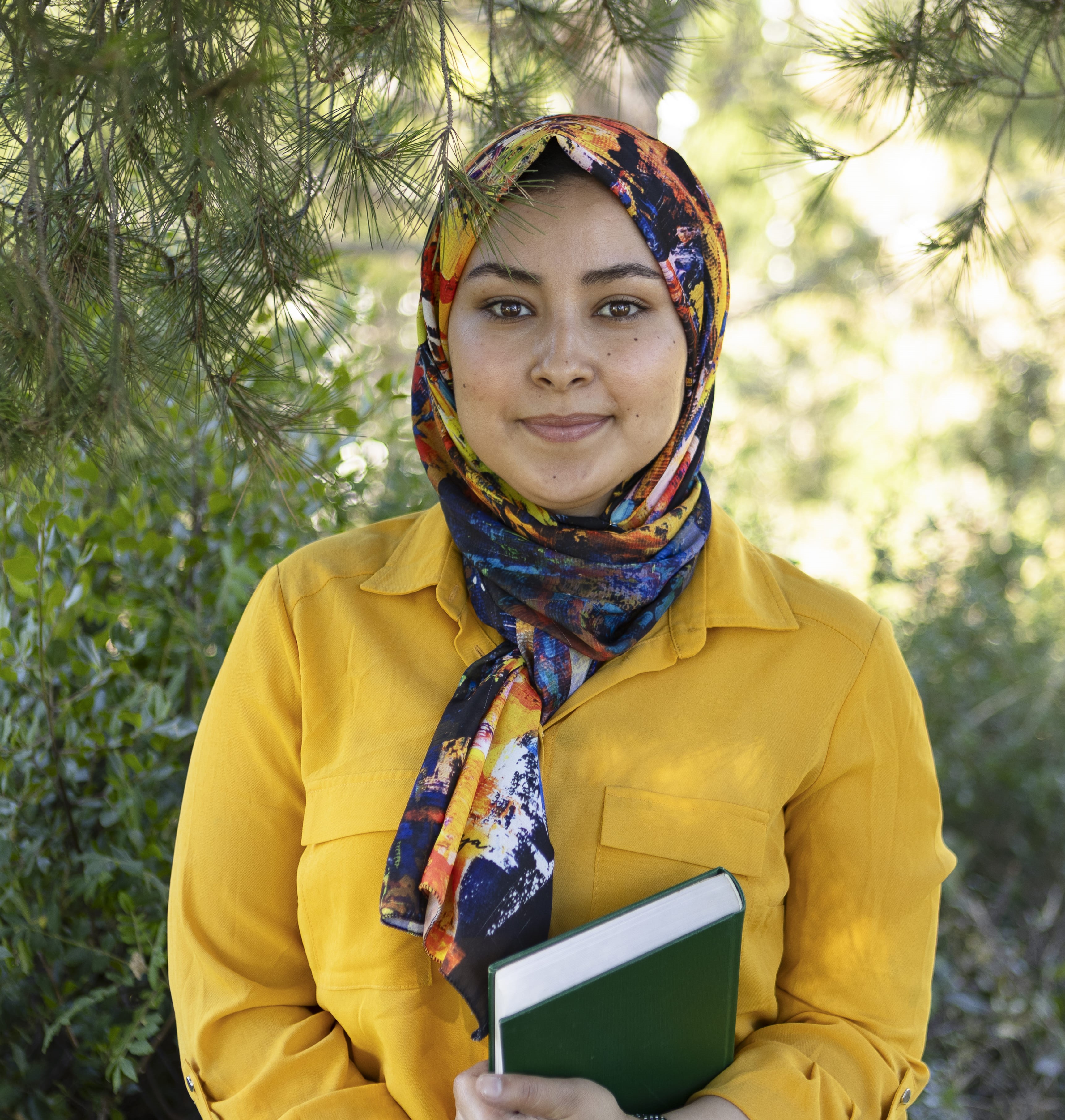
Meryem Aakairi
In 2023, she joined amU and the Mediterranean Institute for Biodiversity and Marine and Continental Ecology (IMBE), and immediately returned to the field. Not in a hotel. In the village, with the women. She shares their daily lives with them, listens, observes, and learns.“My Amazigh identity and my fluency in the language allowed me to integrate naturally. These women often limit their contact with outsiders.”
She then discovers a world where resource management is not a concept, but a daily practice. She observes how they “decide to close off a mountain for several months to let the vegetation breathe. How they extend these periods when there is a lack of snow. How they invent, without saying so, a kind of ecology based on constant adaptation.”
She quotes this proverb that the women repeat to her:“Nature gives to us; we must also take care of her.” She carries this phrase with her as a guiding thread. “These local adaptations show that responses to climate change must also come from the ground up, from community knowledge, from the people who experience these changes on a daily basis.”
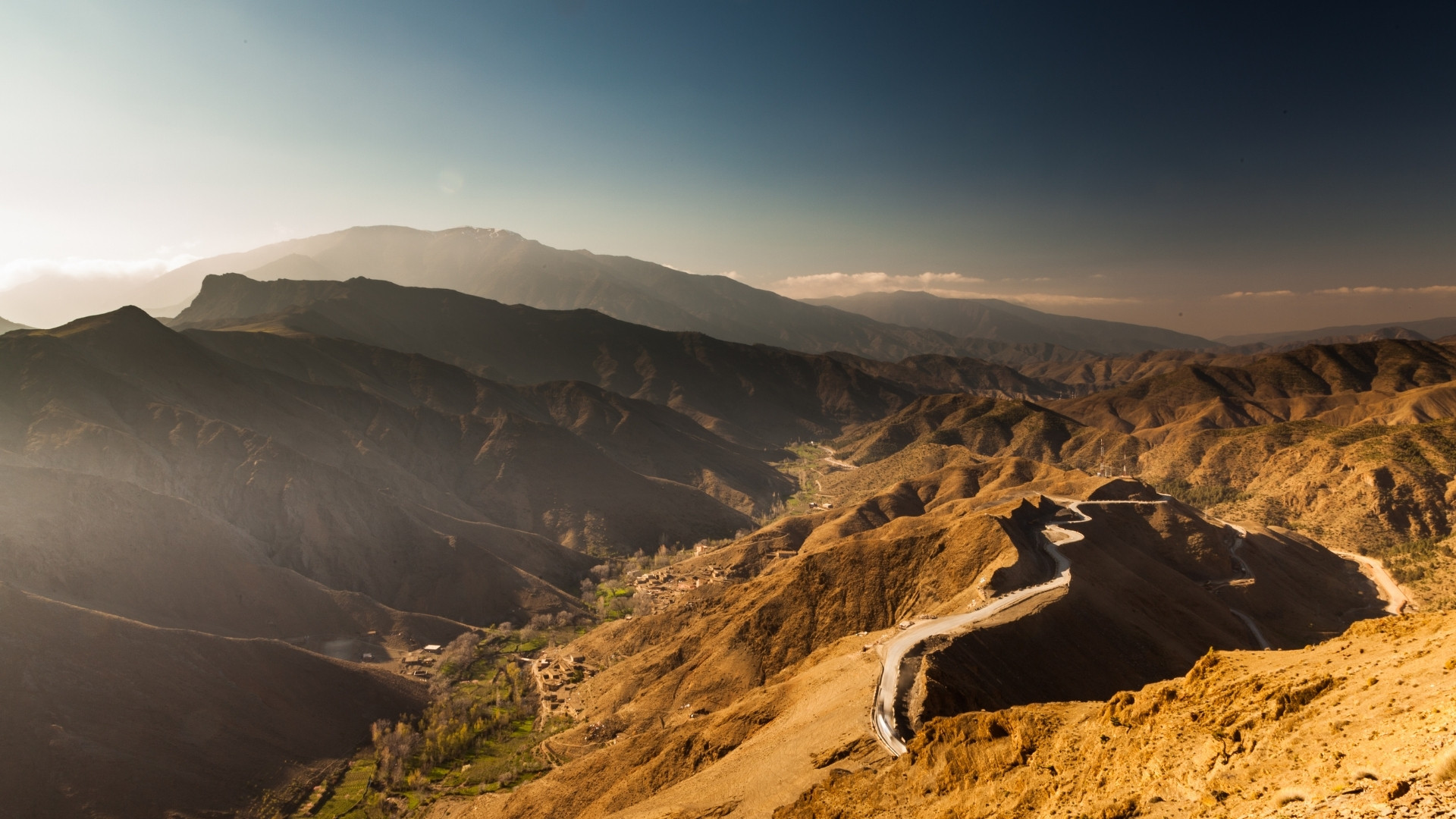
Les montagnes du Haut Atlas marocain
Bringing Science Out of the Lab
While this award has brought the young doctoral student out of the shadows, it has also given her confidence, provided a generous grant, and opened doors. She is already working on a field school project between amU and the University of Casablanca “focused on cork oaks, to train master’s students in transdisciplinarity.” But above all, she is collaborating with the Marseille-based association InkLink and Catalan artists to create a comic book that tells the stories of Amazigh women, their knowledge, their traditions, and their proverbs.“The goal is to simplify research without distorting it, to bring it to life. Knowledge can be transmitted through storytelling, drawing, and emotions.” It was this science outreach project, in fact, that particularly impressed the L’Oréal Prize jury.
“I don’t want science to remain confined to my laboratories,” she concludes.
Contact à ajouter
References:
Woodmansee, A., Aakairi, M., Gérard, B. et al. Characterizing rural livelihoods in a changing environment: a case study in the High Atlas Mountains of Morocco. Discov Sustain 6, 31 (2025). https://doi.org/10.1007/s43621-025-00791-z
The High Atlas mountains (main image) - Andrey/saiko3p
Portrait of Meryem Aakairi - Clémence Losfeld for the L’Oréal Foundation
The High Atlas mountains (end of article) - Florian Scholl via Getty Images
Article published on June 16, 2026.
Discover also


Share on social media or