


At the crossroads of literature and the arts, the Amidex-IRV (Illustrer, Représenter, Voir) project studies the relationship between text and image, from a historical and intermedial perspective. It draws on the iconographic database and Utpictura18 website developed at AMU's CIELAM (Maison de la recherche de l'UFR ALLSH). The IRV project has enabled us to develop partnerships with several museums and cultural institutions wishing to promote their collections via our site and in conjunction with our database.
Reading time: 4 minutes
A site with multiple resources
The Utpictura18 database (https://utpictura18.univ-amu.fr) was created in 2001 in Montpellier (Université Paul-Valéry and CNRS), then developed in Toulouse, and finally at the Université d'Aix-Marseille since 2009. It lists images (paintings, engravings, decorative arts) that have a relationship with a text: images representing a text (history painting, illustration) or, in the other direction, images that have given rise to a commentary (art criticism, fiction based on an image). At the same time, the image-text relationship is studied from a theoretical point of view, based on the corpus collected. The database is growing at the rate of 1,000 records per year. It has been open to the public since 2003, receiving an average of 2,000 visits a day.
Utpictura18 also offers a scientific journal, Rubriques (ISSN: 2968-9198), educational dossiers for teachers, and a library containing texts by authors such as Baudelaire, Diderot, Lesage and Sade, which can be searched for occurrences and co-occurrences.
One of the IRV project's most innovative achievements has been the creation of virtual galleries, a new mediation tool focusing on the text-image relationship, based on works of art held in the museums, libraries and cultural institutions with which we are partnering.
Virtual galleries: a new project
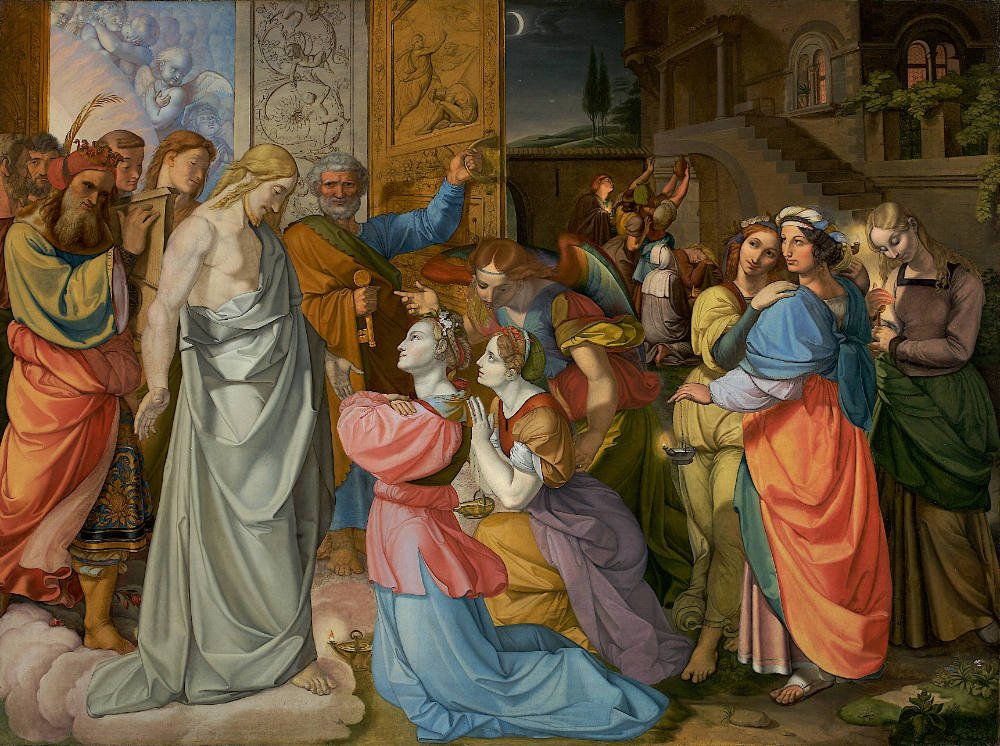
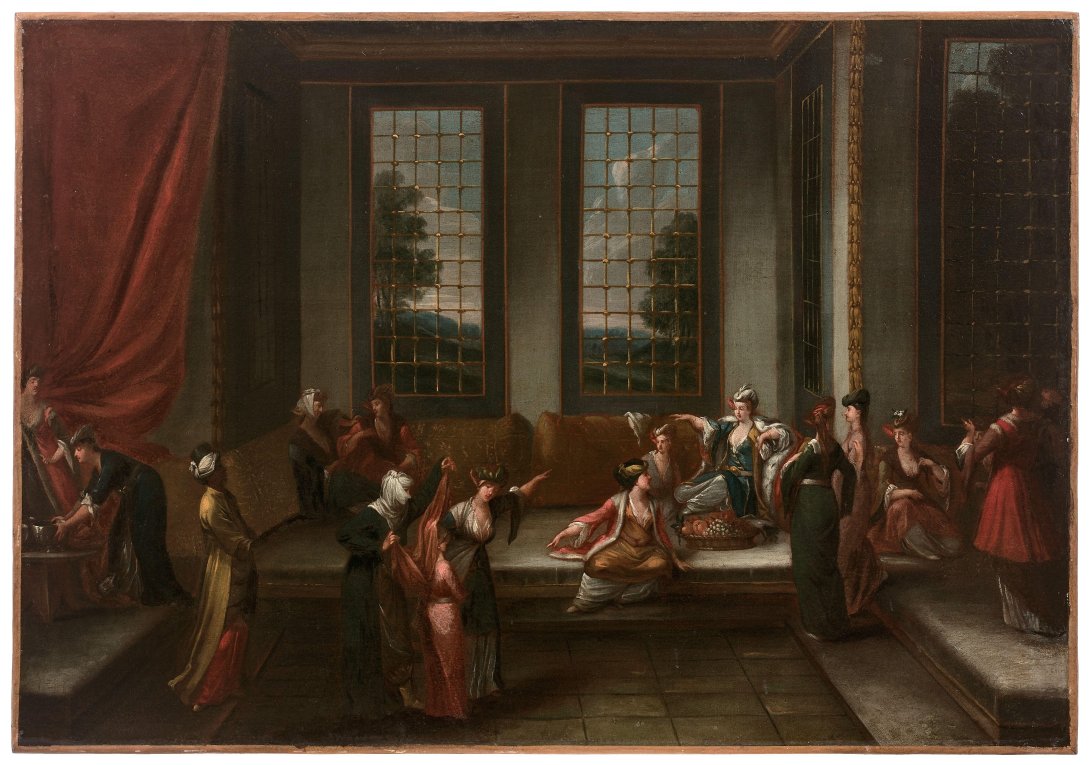
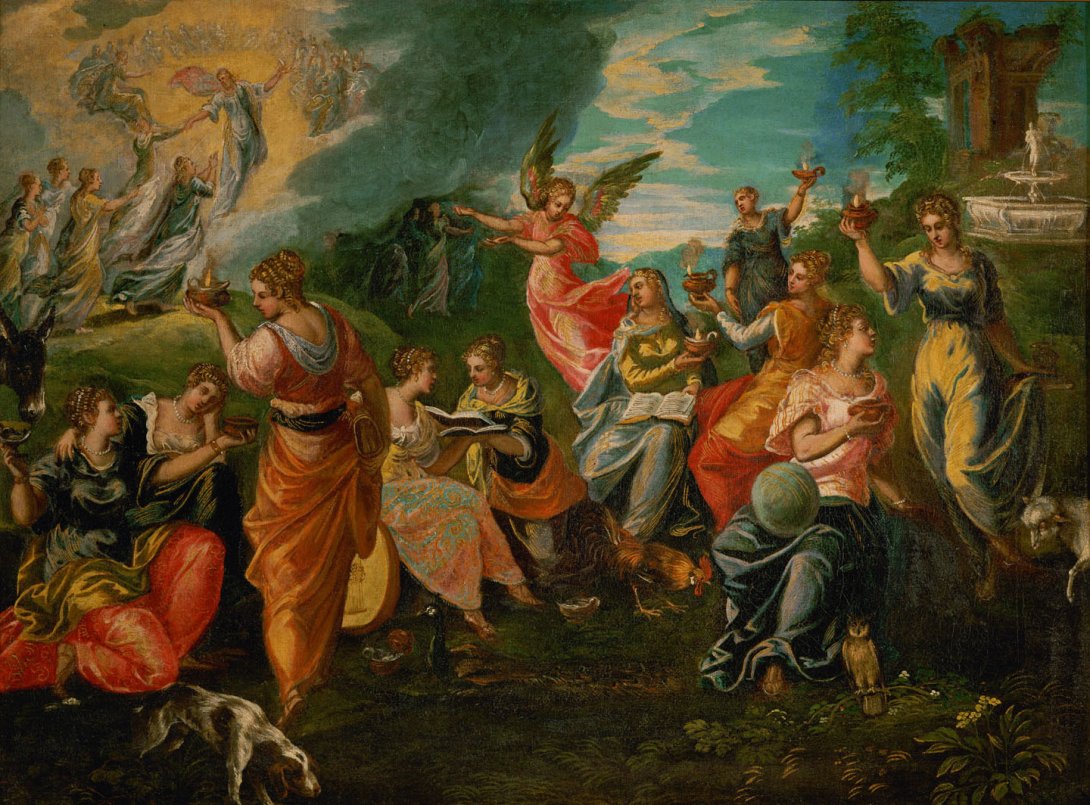
Virtual galleries are mini-exhibitions dedicated to our partners' art collections. They consist of a 2-minute video-capsule, centered on a work of art, and a carousel of images presenting other related works, with explanatory labels. The aim of these video-capsules is to help the non-specialist public to read the image, and then to use the slideshow to insert this one-off image reading into a wider cultural context. In this way, we highlight works from the permanent collections of our partner institutions.
The first galleries were created from the collections of Montpellier's Musée Fabre, the Musée des Beaux-arts de Bourg-en-Bresse at the Monastère de Brou, the Bibliothèque-musée de l'Inguimbertine in Carpentras, the Musée des Beaux-arts de Marseille, the Musée des Tapisseries in Aix-en-Provence and the Musée des Beaux-arts Jules Chéret in Nice. New galleries are in preparation with new partner institutions, including the Musée d'Art Roger Quilliot in Clermont-Ferrand and the Musée Magnin in Dijon.
These virtual galleries can be discovered on the Utpictura18 website: https://utpictura18.univ-amu.fr/galeries; videos are stored on AmuPod and posted on the project's Instagram page: https://www.instagram.com/utpictura18/
Tiepolo, Le Christ et la femme adultère - Œuvre récupérée à la fin de la Seconde Guerre mondiale, déposée par l'office des biens privés ; en attente de sa restitution à ses légitimes propriétaires
Scientific mediation and student training
The aim of these virtual galleries is twofold: to make scientific knowledge more accessible to a wider public, and to offer students professional experience in scientific and cultural mediation as part of their training. This is why they are produced by means of internships offered to Master's students from partner universities (Aix-Marseille, Avignon, Montpellier, Nice, soon Dijon) and different training courses (art history, modern literature, theater and writing). Each trainee undertakes to create two virtual galleries. They learn how to script and edit videos, select works for carousels and write labels.
By enabling students to take part in the Amidex-IRV project, the virtual gallery scheme offers them prospects for professional development, and raises their awareness of the cultural and scientific challenges of mediation, while enhancing the value of our heritage.
You can follow Utpictura18's activities by subscribing to the monthly newsletter: suscribe
Article published on Wednesday, february 5, 2026.
Discover also


Share on social media or